The Lunar New Year is a time-honored tradition celebrated by billions of people all over the world. This festive holiday is steeped in history and symbolism, and each country has its own unique way of celebrating it. In this Article, we will explore the origins and meaning of the Lunar New Year, as well as some of the most popular traditions practiced in different countries. We hope you enjoy learning about this special celebration!
The Lunar New Year is based on the lunar calendar, which differs from the Gregorian calendar that most of us are familiar with. The lunar calendar is divided into twelve lunar months, and each month is named after a different animal in the Chinese zodiac. The New Year falls on the first day of the new lunar month, and this year it will take place on February 1st, 2022.
The origins of the Lunar New Year can be traced back to ancient China, where it was celebrated as a time to honor family ancestors and pray for good luck in the coming year. Today, the holiday holds significant meaning for people all over Asia, who celebrate it with traditional food, performances, and rituals. For many families, the Lunar New Year is the most important celebration of the year, and they take great care to observe all the traditional customs.
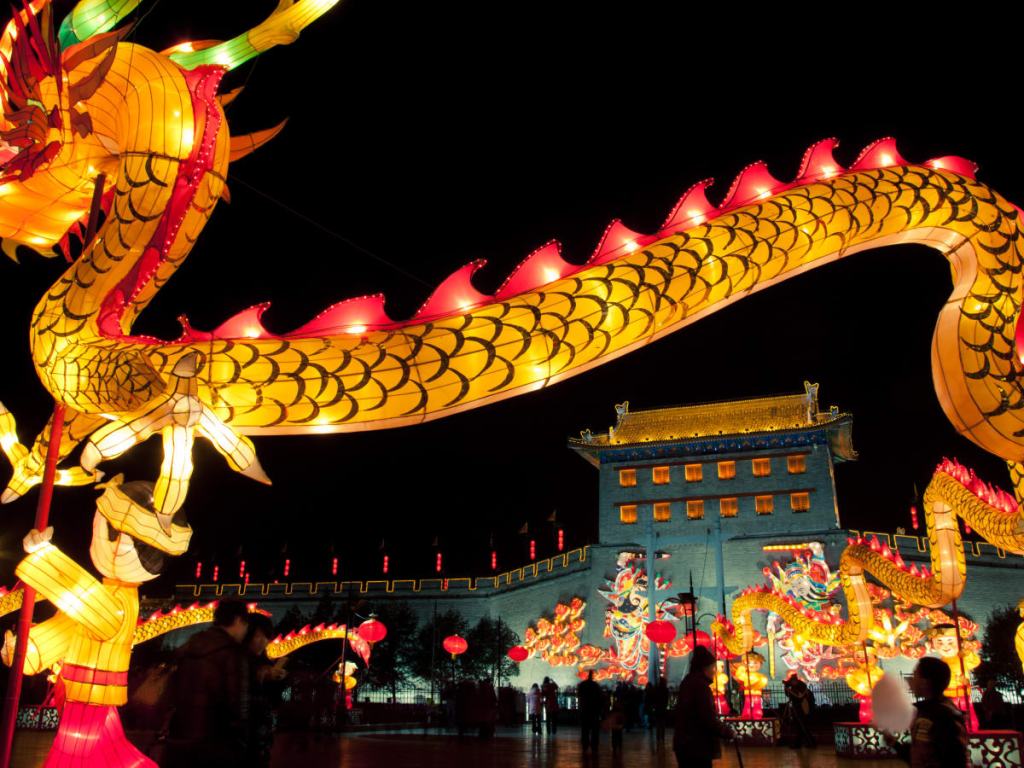
In China, lunar new year is a time for reunion and celebration. Families typically gather together for a large feast, which includes dishes such as dumplings, noodles, and chicken. The meal is often served in reverse order from left to right, starting with the vegetable dishes and ending with the meat courses. Special desserts such as tangyuan (a type of sweet rice ball) are also enjoyed during this time. After dinner, families will usually watch traditional lion dances or dragon parades on television.
Elsewhere in Asia, the Lunar New Year is celebrated in different ways depending on the country. For Instance:
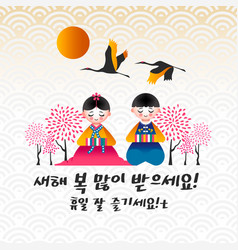
In South Korea, people often wear hanbok (traditional clothing) and visit temples to pray for good luck.
In Japan, people celebrate by eating special New Year’s dishes such as mochi (rice cakes) and watching the Kōchi Fireworks Festival.
In Vietnam, the lunar new year is known as Tết, and it is a time for family gatherings, exchanging gifts, and eating traditional food. One popular dish eaten during Tết is bánh chưng (a type of sweet rice cake).
In Malaysia, the lunar new year is celebrated as Hari Raya Puasa, and it marks the end of Ramadan. Muslims in Malaysia celebrate by eating special dishes such as rendang (a beef dish) and ketupat (a type of rice cake).
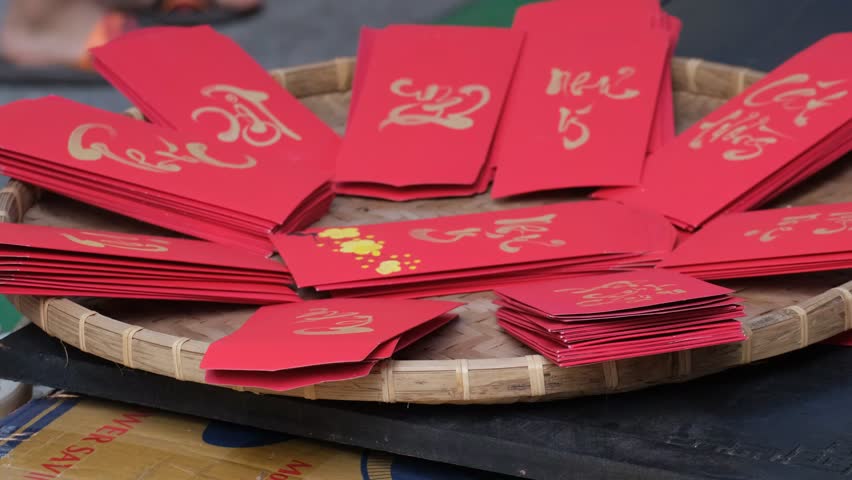
No matter where in the world you are celebrating the Lunar New Year, there are sure to be some common traditions observed. These include cleaning your house in preparation for the new year, giving red envelopes filled with money to children and elderly relatives, and watching fireworks displays. Whatever your plans may be for this special holiday, we wish you all a very happy Lunar New Year!



 Too Adult
Leave a comment