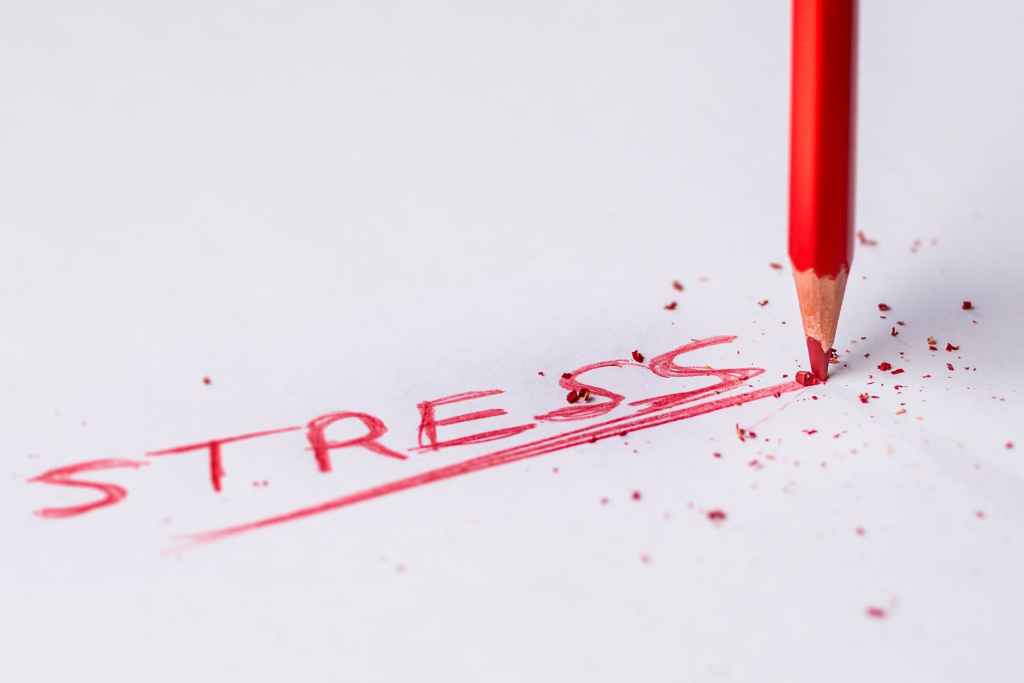
“I am so stressed.” This phrase is often thrown around, but what does it mean? Many people tend to think that stress means the same as being tense or having anxiety. While these things can be related to stress, they are by no means synonyms. Stress is a bodily mechanism developed over thousands of years for survival purposes. Our ancestors experienced stress when faced with danger, such as big game charging at them or another tribe raiding their home and killing everyone they knew. The body would respond almost instinctively by releasing adrenaline into the bloodstream. This hormone increases heart rate and redirects blood away from non-essential (but not immediately vital) processes like digestion; this way , the body can send all of its energy to the muscles for “fight or flight.” As a result, one could have incredible stamina and an effective immune system.
The problem with this response is that it only works in short bursts—a really intense situation prompting a really intense hormonal release. If someone has a stressful job where they face danger every day, their body will keep being flooded with adrenaline and cortisol. They might not have time to fully digest their food after eating, leading to digestive issues like IBS (irritable bowel syndrome). Finally, without downtime between “life-threatening” events (which, as we’ll see later on isn’t always realistic), fatigue and depression can set in.
How does stress affect people?
Acute stress is relatively harmless, but it can be managed. The key to dealing with acute stress is realizing that the whole “stress makes you stronger” thing isn’t quite true. It increases your heart rate and blood pressure, which are good for short bursts of activity, but not all day long. If you find yourself constantly stressed out at work or home, there are some ways to take control of your life again.
The first step is knowing the warning signs of chronic stress: feeling constantly tired being unfocused or forgetful being irritable having trouble concentrating eating more than normal (or less than normal) developing digestive issues having trouble sleeping These symptoms should never be ignored—they indicate that something needs to change before they turn into something much more serious (like gastric ulcers).
How to prevent stress
If you feel like you’re constantly stressed out, the best thing to do is to take a few steps back and assess your life. That doesn’t mean that you need to quit your job or move into a monastery. It just means figuring out if there are any changes you can make in order to lessen the number of “stressful” situations in your life. The first thing people often try is exercise, but it’s not always the best solution because many people use it as an excuse for avoiding their problems instead of confronting them head-on. Changing jobs or moving isn’t feasible for everyone either—a lot depends on how good their current situation is compared with other opportunities.
If there are no reasonable changes you can make, then it’s time to take a closer look at your stress levels. You should try to identify the root of your stress. It could be anything from giving too much attention to minute details at work to being constantly interrupted by family members while performing chores. The root will help you figure out how you need to change your behavior to resolve the issue(s) or lessen their impact on your life. You shouldn’t try changing everything immediately because that’ll just overwhelm you and lead to more issues down the line. Instead, choose one thing—even if it seems relatively small—and start with that.
Although it can be difficult to manage, stress is a natural part of life. Learning how to deal with stress in healthy ways can help you stay mentally and emotionally healthy. Many different techniques can help you manage your stress levels, such as exercise, yoga, meditation, and journaling. If you find yourself struggling with chronic stress or anxiety, please seek professional help. A therapist or counselor can assist you in developing a plan to deal with your stress healthily. What are some techniques that work well for you when dealing with stress?

 Too Adult
Leave a comment